Safe and Professional Tree Removal Services: Protecting Your Property and Landscape
Safe and Professional Tree Removal Services: Protecting Your Property and Landscape
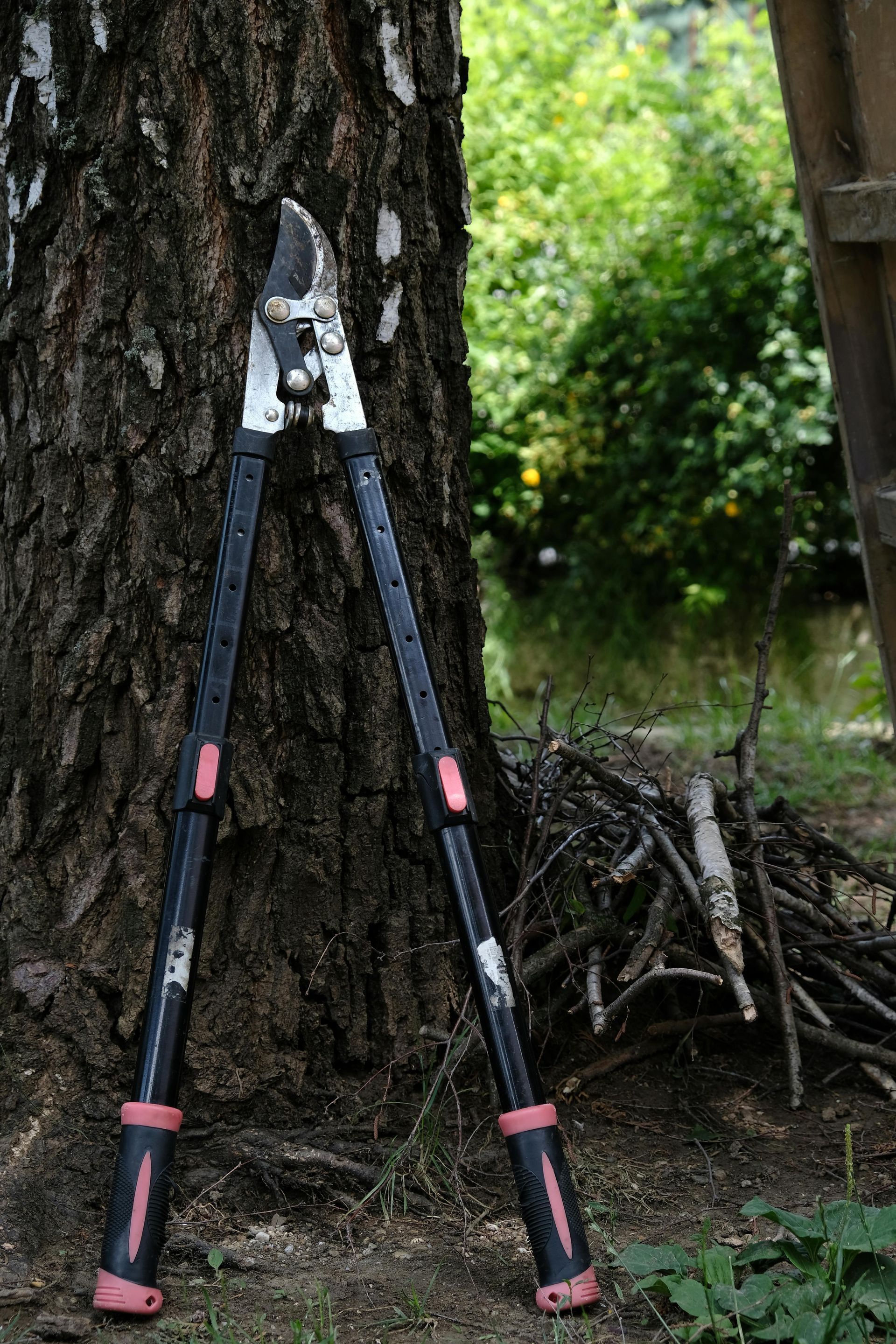
Trees add beauty, shade, and value to any property—but when they become damaged, diseased, or dangerously positioned, they can quickly turn into a serious risk. Professional tree removal services ensure that hazardous trees are handled safely, efficiently, and with minimal disruption to your surroundings.
Why Tree Removal Becomes Necessary
While trees are generally long-lasting assets, there are several situations where removal is the best option:
1. Dead or Dying Trees
A tree that is no longer alive can become brittle and unpredictable, increasing the risk of falling branches or complete collapse.
2. Storm Damage
Strong winds, heavy rains, and lightning can severely weaken trees, making them unstable and unsafe.
3. Disease and Pest Infestation
Infections and infestations can spread quickly to nearby healthy trees, making removal essential to protect the landscape.
4. Structural Hazards
Trees growing too close to buildings, power lines, or driveways may pose safety concerns and require professional removal.
The Importance of Hiring Professionals
Tree removal is not a simple task—it involves risk, precision, and specialized equipment. Hiring trained professionals ensures the job is done safely and correctly.
Safety First
Certified arborists assess the tree’s condition and surrounding environment before determining the safest removal method.
Proper Equipment
From chainsaws and cranes to rigging systems, professionals use the right tools to handle trees of all sizes and locations.
Property Protection
Expert teams take precautions to prevent damage to homes, fences, gardens, and nearby structures during the removal process.
Efficient Cleanup
Professional services include full debris removal, leaving your property clean and ready for use.
The Tree Removal Process
A typical tree removal service follows a structured approach:
- Inspection and Risk Assessment – Evaluating tree health and surroundings
- Planning the Removal Strategy – Choosing the safest method
- Cutting and Sectioning – Carefully removing the tree in controlled sections
- Stump Removal (Optional) – Grinding or extracting the remaining stump
- Site Cleanup – Clearing branches, logs, and debris
When Should You Call for Tree Removal?
You should consider contacting a tree removal service if you notice:
- Large dead branches or hollow trunks
- Leaning trees after storms
- Cracks in the trunk or major limbs
- Root damage or exposed roots
- Trees interfering with structures or utilities
Early action can prevent costly property damage and safety hazards.
Final Thoughts
Tree removal is a critical service that requires skill, experience, and attention to safety. Whether you're dealing with storm damage, disease, or hazardous growth, professional tree removal ensures your property remains safe, clean, and visually appealing.
If you suspect a tree on your property may be a risk, don’t wait until it becomes an emergency, consult a qualified tree removal service today.